

Beeswax Candle Making
New online course – Learn beeswax candle making!
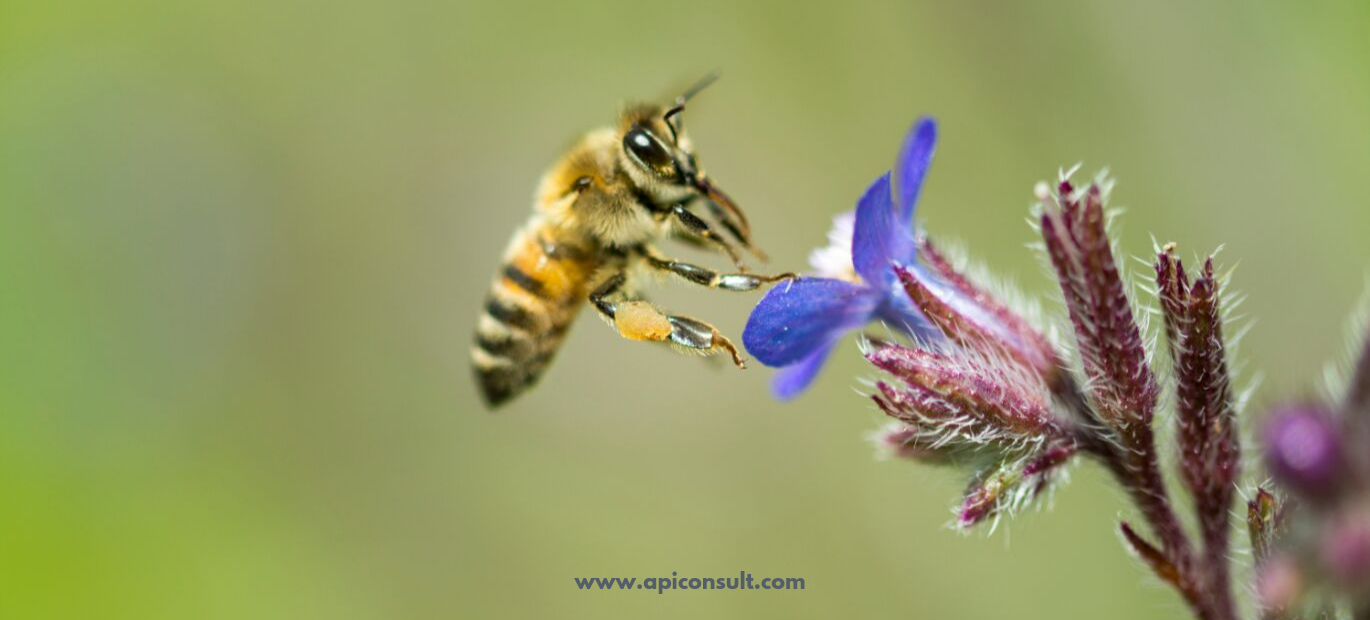
Bee foraging on borage
A bee foraging of a borage flower
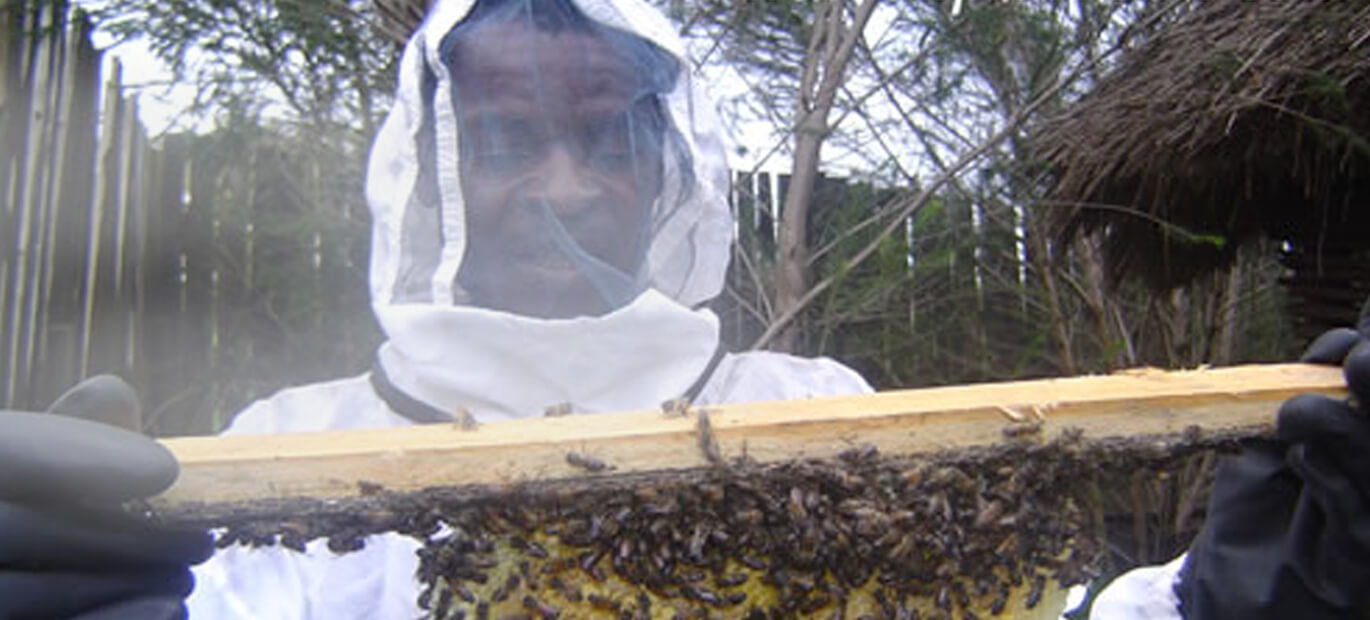
A top bar comb
A top bar hive – Kenya – Learn how to make one!
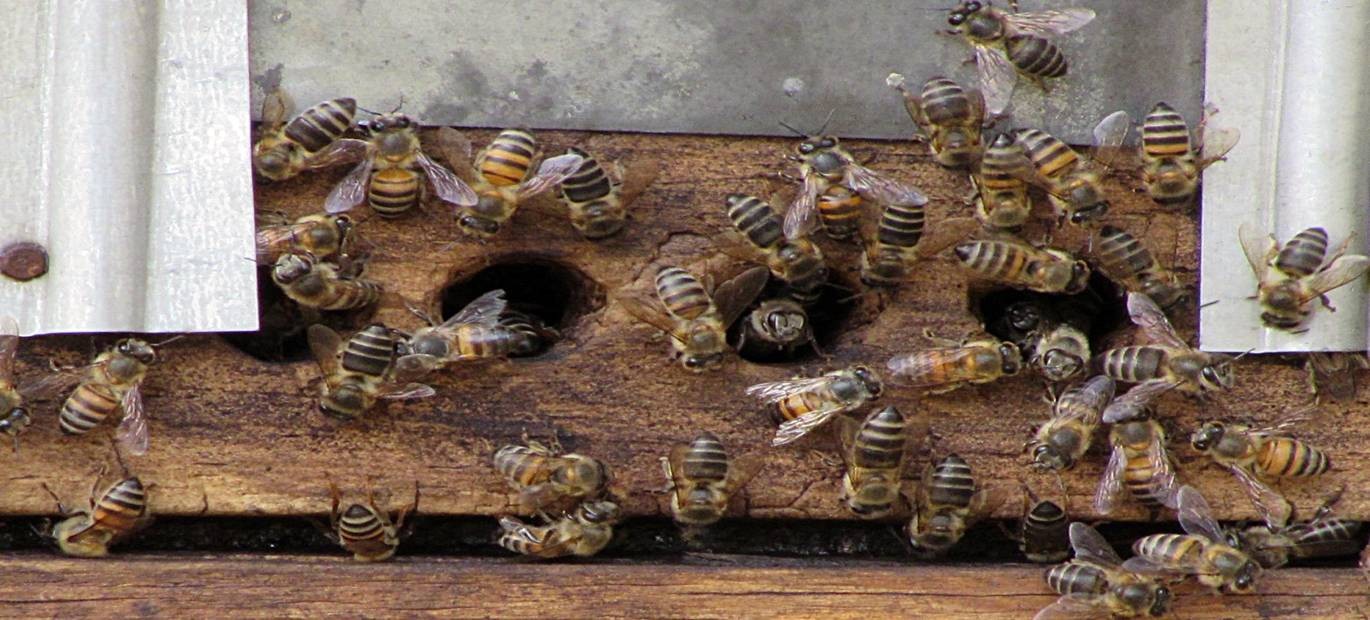
African bees
African bees at the entrance to a hive – Kenya
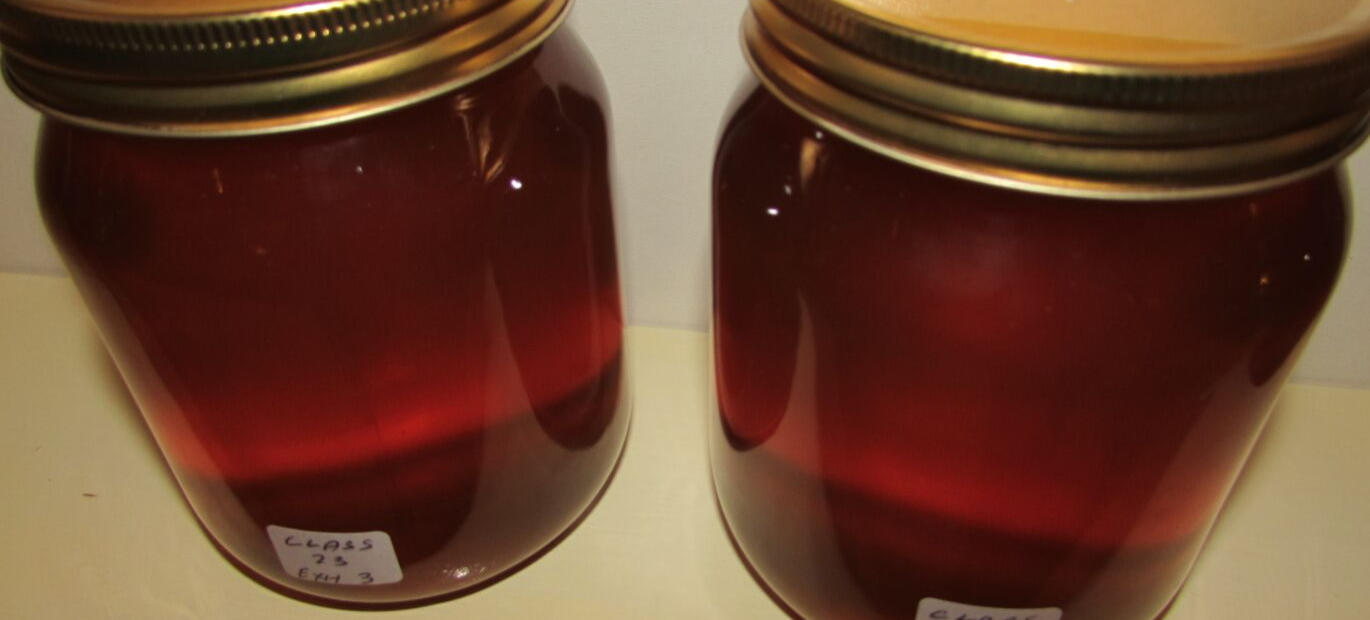
Delicious honey
Two jars of honey on display at a local honey show
WELCOME TO APICONSULT
THE BEEKEEPING RESOURCE CENTRE
The purpose of this website is to encourage and promote beekeeping through sharing appropriate information on bees and beekeeping methods and approaches. We aim to help more people, men and women, young and old and from all backgrounds discover the joys and benefits of keeping bees. We aim to share knowledge, ideas, create linkages and friendships. Our expertise is on beekeeping with both European and African races of bees with beehives in both Ireland and Kenya. We believe that knowledge sharing is a two-way process and that beekeepers in different parts of the world can learn from each other. (see link to Free book below in English/French).

- ⭐Master beekeeping in 2026⭐
- New Course Launch- Making Products from Beeswax (September, 2023)
- New Course – Learn how to bake cakes using honey (July 2022)
- Learn Beeswax Candle Making Course (June 2022)
- Article: Candle moulds for beeswax candle making (June 2022)
- Start a beehive – Best Selling Online Course (includes top bar hives)
- Video: Make a simple top bar hive – eat your own honey!
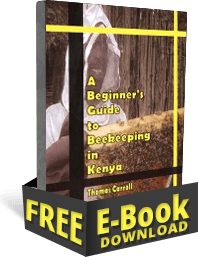
- FREE Book: Download my book about Starting Beekeeping in Ireland
- Keep in touch with Apiconsult through FACEBOOK
- Check out Apiconsult beekeeping videos on YouTube
- Check out the Nyuki ni Mali (bees are wealth) mug
- Article: Beeswax candle making methods (June 2022)
- Read an Apiconsult newsletter (October 2017)
- Read an Apiconsult newsletter (June/July 2012)
- Article: reflections on beekeeping in tropical Africa
- Watch a short video on handling African bees in a KTBH type top bar hive
- Advice for development agencies promoting beekeeping in Africa
- Advice on how to handle African bees
- Article on Varroa mites in Africa
- Contact us by email (Post/telephone contacts below)
NEWS

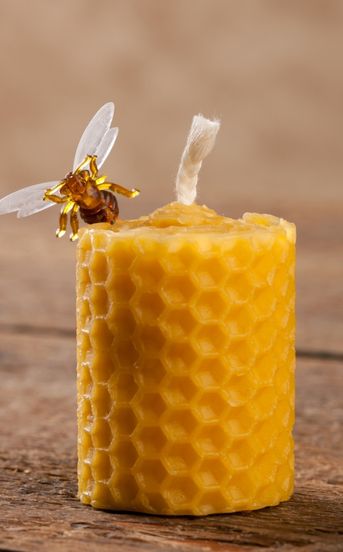
Candle making course launch - June 16th 2022
My new course on making and selling beeswax candles launched on June 16th 2022. If you ever wanted to know how to make beautiful beeswax candles for pleasure or profit then this course is for you. P
Read More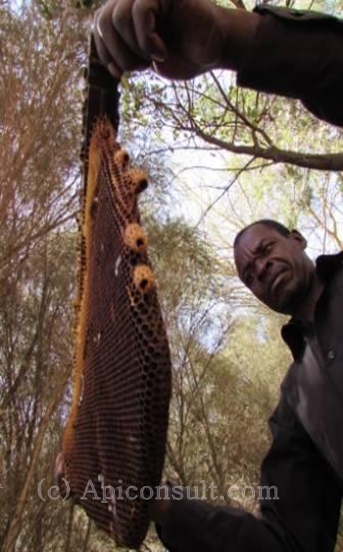
Queen cells
A comb from a top bar hive showing a number of queen cells at the side of the comb.
Read MoreHand Dipped Beeswax Candles
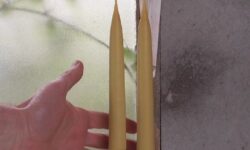
Beautiful hand dipped taper beeswax candles. Candle making is a wonderful use of precious beeswax. Hand dipped candles do not require expensive candle moulds to make. A tall dipping pot in a double pan and No. 2 sq Read More
Beekeeping Training
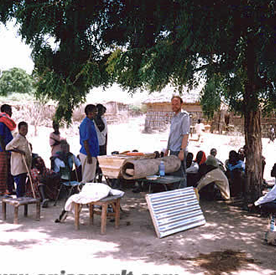
Training the community on beekeeping - Somalia. Note the traditional log hive and the more modern movable comb Kenya Top Bar Hive on display. Beekeeping in Somalia is a predominantly male activity although a number of wo Read More
Beautiful fresh honeycomb
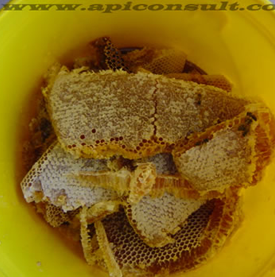
Cleanly harvested honeycomb from a Kenya Top Bar Hive in a clean lid-covered bucket. Note few bees in the bucket as the bees were brushed off during harvesting and the lid was placed on the bucket to prevent bees enter Read More