HOME
ABOUT
APICONSULT
WHY
BEEKEEPING
NEWS
AND ARTICLES
BEEKEEPING
RESOURCES
FOR
SALE & WANTED
SPONSOR A BEEKEEPER
GALLERY
USEFUL
LINKS
BEEKEEPING
FORUM
Sign up for our email newsletter:
|
Handling Bees in Africa

Need beekeeping books? Shop at the Apiconsult
Beekeeping Store
Many people are afraid of bees because they sting. All of us have heard
of stories where bees attacked, and even killed, people and livestock.
Like
other forms of livestock, bees must be handled with respect and
care. If handled properly, bees will not cause any problems. Some bees
tend to sting less than other types.
A beekeeper who frequently
inspects
his/her hives can easily tell those bees which are better and
more docile. He/she can then eliminate the more aggressive bees and
breed from the docile ones.
With frequent handling bees appear to become 'used' to being inspected
and therefore less aggressive. A beekeeper can come to know the character
of his bees. If you have many hives number them and keep records at each
inspection of the bees behaviour.
When Handling Bees:
|
- Always wear a bee suit and take the time to put it on properly.
Many people do not do this and get stung when the hives are open.
There is no need for this. If you don't know how to put on your
suit get someone to help you (an experienced friend) .
- Avoid using strong smelling soaps or sprays all of which may
aggravate the bees.
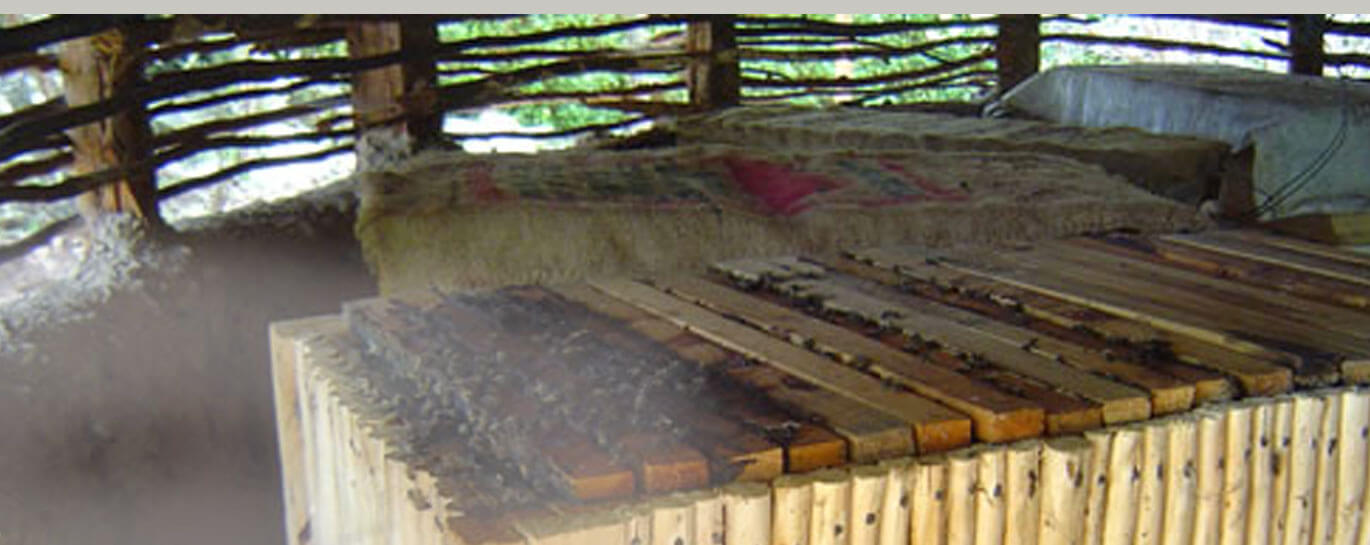
- Always use a smoker when handling bees. Smoke makes the bees
suck honey from the combs and calms them down. Do not let the
smoker go out during the operation or the bees can become aggressive.
Keep plenty of smoker fuel handy as you work. It is always better
to have two smokers alight than one, in case one goes out.
- Before opening hives warn any onlookers and remove any tethered
animals from the vicinity (over aggressive bees have been known
to sting tethered animals to death).
- Start with the least aggressive colonies always. This will
allow you to work in peace with the pleasant colonies first.
- Work gently and quietly. Do not knock or bang the hive as this
can make the bees angry.
- Always handle the bees in the evening between 5.30pm and darkness
(bees can be handled at other times but you need to know what
you are doing!). If the bees become aggressive at this time then
they have a chance to cool down before the following morning.
They also seem to be less aggressive in the cool of the evening.
For bees which you have never handled before, or for very aggressive
bees, take the extra precaution of handling the bees at dusk using
a torch.
- When handling avoid crushing bees and making sudden movements.
Work carefully and with confidence. Remain calm even if the bees
become aggressive. If bees appear to be getting out of control,
close up the hive and try again another day. If bees get into
your veil - remain calm - walk to a safe distance before trying
to rectify the problem.
- Work the hives with two or more people at a time. One person
can lift out the combs while the other uses the smoker. This allows
better control of the bees.
- Do not stand in front of the hive entrance when examining the
hive. Bees flying in and out may become agitated to find their
way blocked. Always cut down disturbance to the bees in every
way you can.
- Advise any onlookers to move away quietly if stung covering
their eyes. No running about waving the arms as this can annoy
the bees.
- Remove bee stings from the skin as soon as possible using a
knife, hive tool or your nail to scrape off the sting. Trying
to pull out the sting tends to squeeze in more venom. Use smoke
to cover the scent of a sting. When a bee stings this scent will
attract other bees to sting you again if you do not use smoke.
- Do not go directly to where you are to remove your beesuit.
Take a route via bushes/trees or tall maize sorghum etc. if around.
Rub yourself against the leaves to rid yourself of bees which
might be following or on you.
- In time, as you gain experience as a beekeeper, you will be
able to judge the mood of the bees more accurately and handle
them calmly. However for the first few times it is better to get
an experienced friend to help you.
|
Warning:
Some people can get an allergic reaction to bee stings. The normal response
in most people is some localised swelling. If you see someone who has
swellings all over the body and has difficulty in breathing take the person
immediately to a doctor for treatment. Severe allergic reactions to bee
stings can kill. However such cases are rare. For most people a few stings
may actually be beneficial. Bee venom is used to treat arthritis and is
extracted from bees commercially as a medicine.

|